

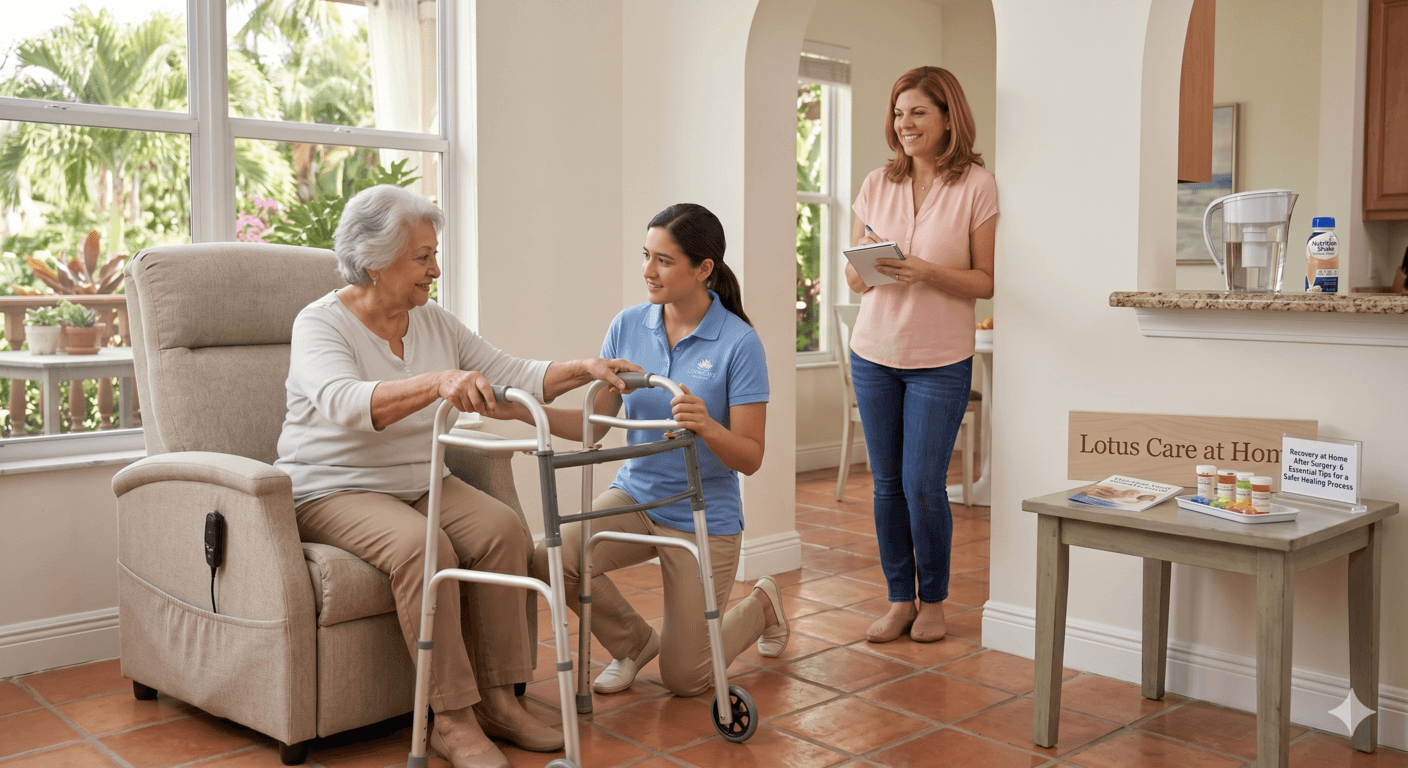
Recovery at Home After Surgery: 6 Essential Tips for a Safer Healing Process
Returning home after a surgical procedure is a major milestone, but it’s also a phase that requires careful management. A successful recovery at home after surgery depends on creating a safe environment, following medical protocols, and knowing when to seek professional support.
Whether you are preparing for your own upcoming procedure or organizing post-operative care for a loved one, these six essential recommendations will help promote a smoother, safer, and more comfortable healing journey.
Strictly Follow Your Healthcare Provider’s Instructions
Every surgical procedure comes with a unique set of discharge instructions. To avoid complications, it is critical to adhere strictly to the guidelines provided by your medical team.
● Medication Management: Take prescribed medications exactly on time; do not skip doses or self-medicate.
● Activity Restrictions: Respect limits on lifting, bending, or driving.
● Follow-Up Appointments: Attend all scheduled doctor visits, even if you feel completely recovered.
Prepare a Safe and Comfortable Home Environment
Minimizing the risk of accidents and falls is a priority during post-surgery recovery. Before arriving home, modify the living space to ensure maximum comfort and safety:
● Keep walkways, hallways, and rooms entirely free of clutter and trip hazards.
● Ensure bright, adequate lighting throughout the house, especially on stairs and in bathrooms.
● Place frequently used items (phone, water, medications, remote control) within easy reach.
● Set up mobility aids or assistive devices exactly as recommended by your physician.
Focus on Targeted Post-Surgery Nutrition and Hydration
Your body requires extra energy and nutrients to repair tissue and fight off potential infections. A balanced diet tailored to recovery can significantly influence your healing timeline.
● Incorporate Healing Foods: Focus on lean proteins, vitamins (especially Vitamin C), and minerals like zinc to support tissue regeneration.
● Stay Hydrated: Drink plenty of water to help process medications and prevent post-surgical constipation.
● Note: Always defer to any specific dietary restrictions or guidelines provided by your surgeon.
Balance Quality Rest with Gentle, Approved Movement
While uninterrupted sleep is vital for cells to regenerate, absolute bed rest isn’t always optimal.
● Prioritize Sleep: Ensure a quiet, comfortable sleeping arrangement to help your body heal.
● Gentle Mobility: Perform any approved movements, light stretches, or short walks recommended by your physical therapist. This improves blood circulation, reduces the risk of blood clots, and maintains muscle tone.
Monitor and Recognize Warning Signs Early
An essential part of recovering at home after surgery is vigilance. Patients and caregivers must watch closely for signs that require immediate medical attention, including:
● A persistent or spiking fever.
● Severe or worsening pain that is not relieved by prescribed medication.
● Increased redness, swelling, bleeding, or foul-smelling discharge from the incision site.
● Shortness of breath, chest pain, or sudden dizziness.
Consider Professional In-Home Post-Operative Care
While family members always want to provide the best support, the technical and emotional demands of post-surgical care can be overwhelming.
Hiring professional caregivers ensures that vital signs are monitored, medication schedules are strictly managed, and daily transfers or mobility exercises are performed safely, drastically reducing the risk of hospital readmission.
Lotus Care at Home: Professional Support for Your Recovery Journey
At Lotus Care at Home, we understand that a safe and successful recovery begins with compassionate, personalized attention. Our dedicated team provides specialized in-home care services tailored to your unique clinical and personal needs.
Let us handle the complexities of post-operative support so you can focus entirely on healing in the comfort of your own home.